





Bed Bugs in Glasgow
Bed bugs (Cimex lectularius) are one of the hardest insects to get rid of. They are small, oval, mahogany-brown insects that feed on human blood, usually while you sleep.
They are a common problem in Glasgow now, helped along by international travel. They are not caused by poor hygiene, and a clean home can get them as easily as any other. We treat them regularly in homes, flats, hostels and hotels across Glasgow, East Renfrewshire, Renfrewshire, Lanarkshire and central Scotland.
Why Bed Bugs Are So Hard to Get Rid Of
- They can survive more than a year without feeding. Leaving a room empty does not starve them out.
- Many are resistant to commonly used insecticides. That is why shop-bought sprays so often fail.
- A female lays three to seven eggs a day, and 200 to 500 in a lifetime. The eggs are glued into cracks and crevices where they are very hard to find.
- About a third of people do not react to the bites, so an infestation can grow for months without anyone noticing.
- Cleaning alone will not shift them, because dirt is not what attracts them.
Signs of Bed Bugs
Bed bugs live close to where people sleep and rest, so check beds and nearby furniture first.
Unexplained bites
Rashes or spots on your body with no clear cause, sometimes itchy.
Live or dead bed bugs
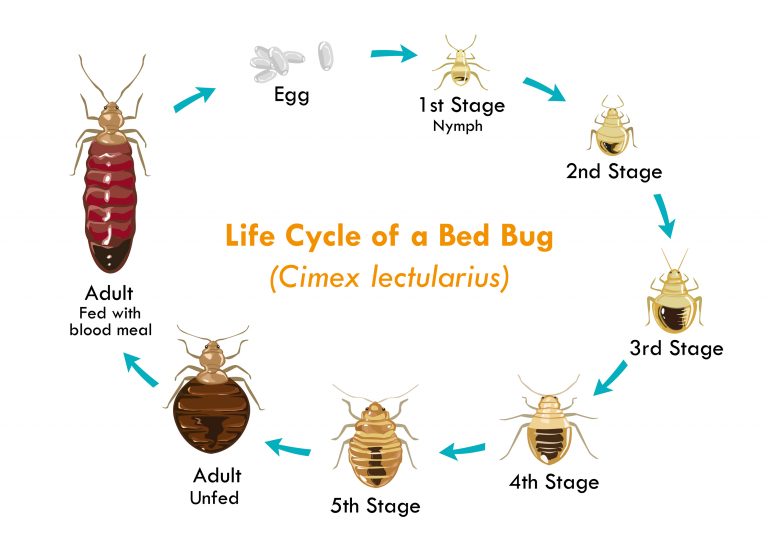
Small, flat, oval and mahogany-brown. They look larger and rounder after feeding.
Faecal spots
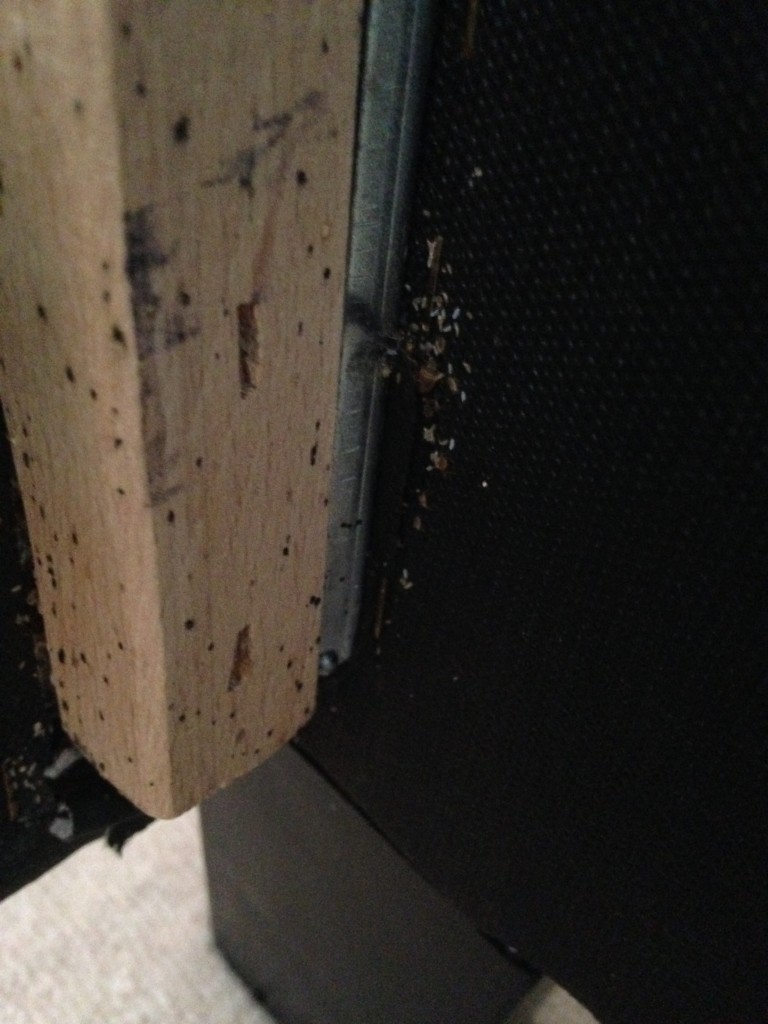
Black spots or dots on the bed frame, mattress or other bedroom and living room furniture.
Blood spots
Pinkish marks on sheets, left as the bed bugs get rid of water from their meal.
Where they hide
Bed frames, mattress seams, behind headboards, beneath skirting boards, and in sofas and other furniture.
Not sure what you are looking at? Read our guide to the signs of bed bugs.
How Our Bed Bug Treatment Works
Every job starts with an inspection. We need to know which rooms are affected, how heavy the infestation is and whether it could be coming from next door.
The treatment methods we have available include:
Steam
Kills bed bugs and their eggs on contact, deep in mattress seams, bed frames and sofas. It reaches places a spray cannot.
Insecticide
Professional-use products applied to the places bed bugs hide and travel, which keep working after we have left.
Insecticidal dust
Applied into cracks, crevices and voids, where it stays active for longer.
Not every method is used on every job. We recommend what fits your infestation, your property and your budget, and we tell you exactly what your treatment includes before we start. Many bed bugs are resistant to common insecticides, which is why having more than one method available matters. Watered-down treatments do not work against bed bugs, and ours never are.
Most bed bug problems need more than one visit, because eggs hatch after the first treatment. On average it takes two to five treatments, depending on how severe the infestation is. That is a guide, not a hard rule, and we tell you at the start how many we expect.
In most cases you do not need to throw your bed or sofa away. We will tell you if something really does need to go.
Bed Bugs in Glasgow Flats and Tenements
Bed bugs move between flats. If they are coming through from a neighbouring property, the right plan changes.
Paying for a full treatment programme while the flat next door does nothing is often money wasted, because they will simply come back. The sensible route can be one or two treatments to hold your own flat, then finishing the job once the neighbour has acted.
We will tell you honestly which situation you are in, and what is practical for your budget.
Hotels, hostels and landlords
We treat bed bugs in hotels, hostels and rented property, and offer scheduled bed bug inspections for hotels so that activity is found early.
A Bed Bug Treatment Job We Handled in Glasgow
A hotel in Glasgow had insecticide-resistant bed bugs that previous contractors had missed.
We never name our clients or give details that could identify them.
What to do before we arrive
- Vacuum regularly around beds and furniture, and empty the vacuum into an outside bin.
- Wash or tumble dry clothing and bedding at 60°C, or freeze items at -18°C for two to three days.
- Fit mattress encasements if you have them.
- Do not move bedding, clothes or furniture into other rooms. That is how bed bugs spread through a home.
- Do not throw out the bed before we have seen it.
Related Services
Flea Control
Whole-home treatments for every life stage.
View Flea Control →
Cockroach Control
Specialist treatment for cockroach infestations.
View Cockroach Control →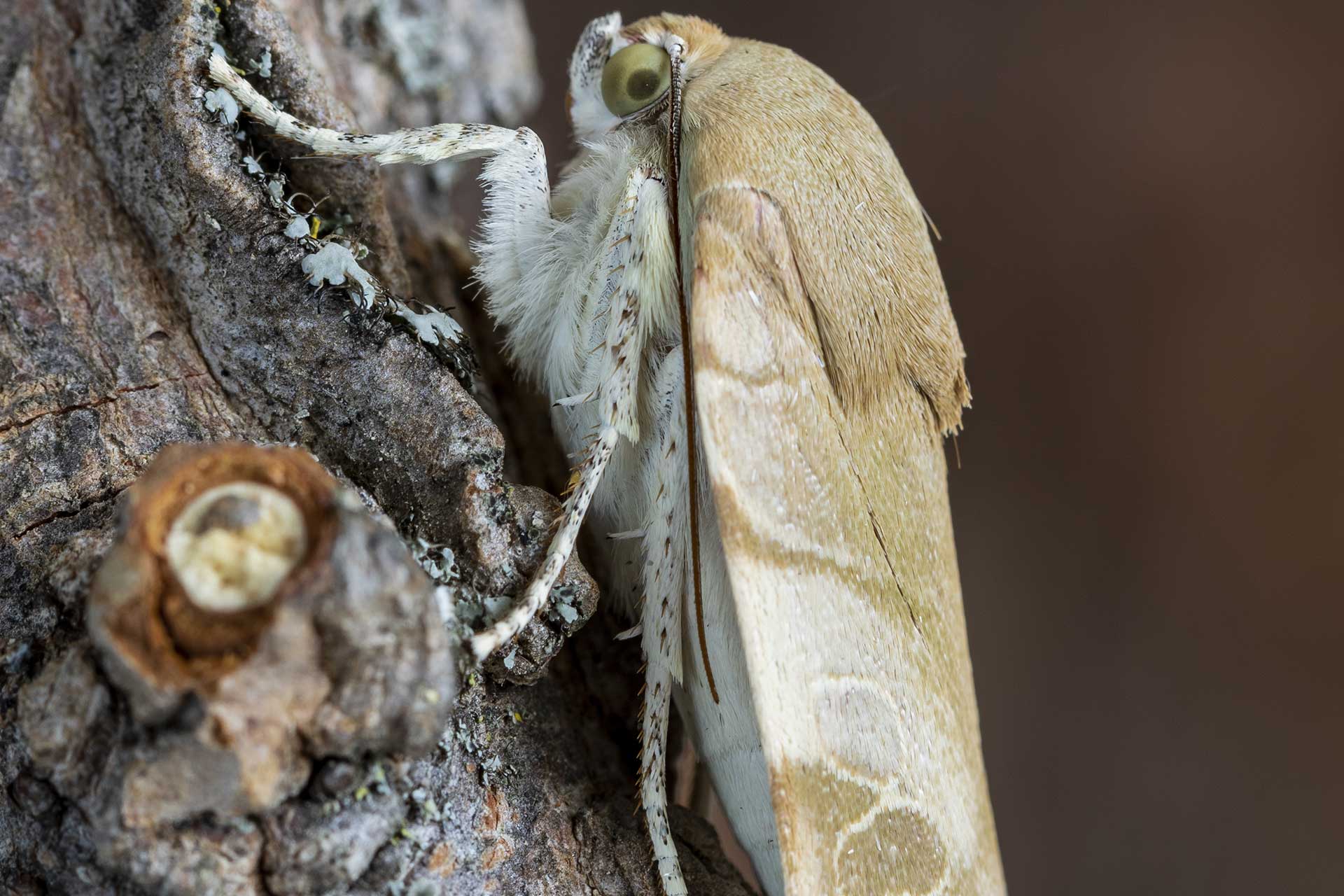
Moth Control
Protect clothes, carpets and rugs.
View Moth Control →
Insect Control
All crawling and flying insects treated.
View Insect Control →Pest Control Across Glasgow & Surrounding Areas
We provide pest control in Glasgow and the surrounding areas, including the West End, Paisley and Rutherglen. We are based in East Renfrewshire, so Newton Mearns, Giffnock, Clarkston and Barrhead and Neilston are on our doorstep. See all our pest control services in Glasgow.
Bed Bug Treatment Glasgow: Common Questions
What are bed bugs?
Small, oval, mahogany-brown insects that pierce the skin and feed on human blood, usually at night. They are attracted by body heat, the carbon dioxide we breathe out and pheromones.
What is the bed bug lifecycle?
Eggs hatch into creamy-white nymphs, which are miniature versions of the adults and hard to spot. Nymphs go through five stages, shedding their skin each time, before becoming adults.
Can I treat bed bugs myself?
Short answer: no. Shop-bought insecticides are not strong enough, and the vast majority of DIY attempts fail and make things worse by spreading the bed bugs further.
Will throwing away the bed fix the problem?
No. Bed bugs spread around the room and beyond. Throwing out the bed may reduce numbers for a short while, but they will breed back.
Do bed bug bites always cause a rash?
No. Around two thirds of people react to the bites, but a third do not, which is why some infestations become severe before they are noticed.
Do bed bugs spread disease?
They are not currently believed to transmit any diseases to people.
How can I protect my clothes and bedding?
Washing or tumble drying at 60°C, freezing at -18°C or dry cleaning will kill bed bugs at every stage.
How many treatments will I need?
On average between two and five, depending on how severe the infestation is. It is not a hard rule, and we will tell you what we expect once we have inspected.
How much does bed bug treatment cost?
It depends on the number of rooms, how heavy the infestation is and whether neighbouring properties are involved, so every job is quoted individually. The price you are quoted is the price you pay.
Do you guarantee the treatment?
We do not give formal guarantees. We are dealing with living things, often in buildings joined to properties we cannot get into. We take real pride in the work and will do everything we can to put the problem right.