



Wasp Nest Removal in Glasgow
A predominantly summer pest, wasps can build their nest almost anywhere, from loose soil and garden sheds to your loft. Disturbing an active nest can be extremely dangerous, as wasps are highly protective of it.
We treat wasp nests quickly and safely for homes and businesses across Glasgow, East Renfrewshire, Renfrewshire, South Lanarkshire and everywhere within the Greater Glasgow area.
We treat wasp nests quickly and safely, often with same-day or next-day appointments.
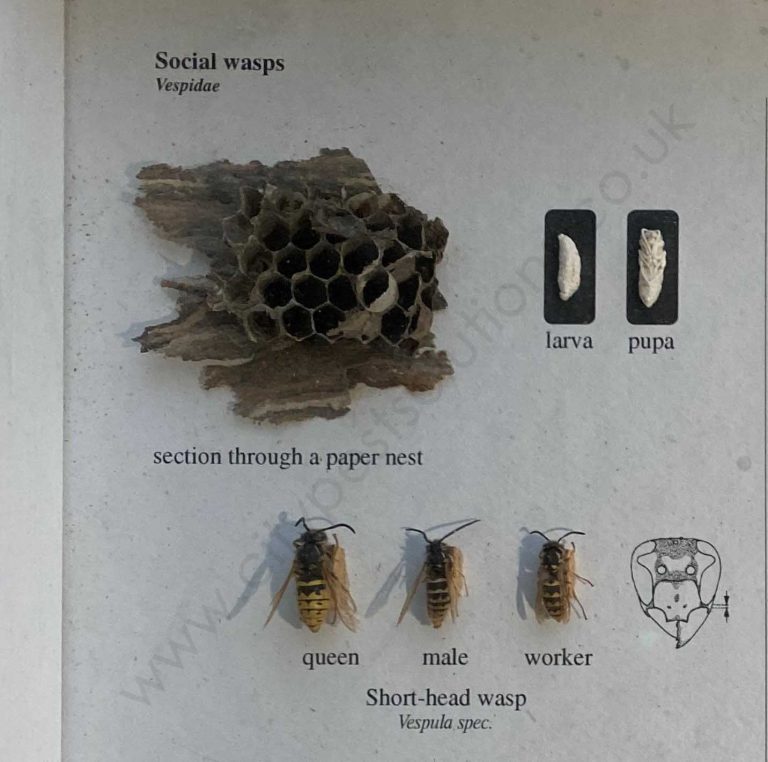
Wasps (Vespula vulgaris & Vespula germanica)
May to June
A queen that survived the winter picks a spot and builds a nest from chewed wood pulp, sometimes from your home.
The nest grows fast
Once the first workers hatch, they take over feeding grubs, guarding, cleaning and expanding the nest while the queen keeps laying.
Late summer
New queens and males are produced and mate. The new queens leave to overwinter and start new nests next year.
More stings in late summer
As the nest dies, starving wasps become even more aggressive and go after sugary drinks and fruit.
Signs of wasps
Signs You Have a Wasps Nest
Stand back from the area and watch where the wasps go. These are the clues to look for.
A steady back-and-forth
Wasps flying in and out of the same gap, again and again, mark the nest entrance.
Common entry points
A hole in a wall, soffit, fascia, roof tiles, a window or door frame, a shed or the ground.
Buzzing or crackling
An active nest sounds like buzzing, crackling or popping.
A papery nest
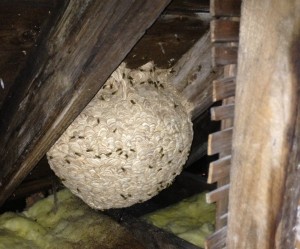
Nests are made of chewed wood, like papier-mâché, often in lofts, sheds and eaves.
Lots of wasps, no nest
The nest is probably on a nearby property.
Do not block the hole: it will not kill them and makes them harder to treat. Never try to burn or smoke a nest either.
From our jobs
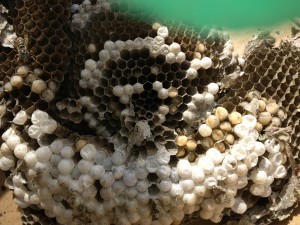
Wasp Nests We Have Removed in Glasgow
How to Tell Them Apart
Wasps
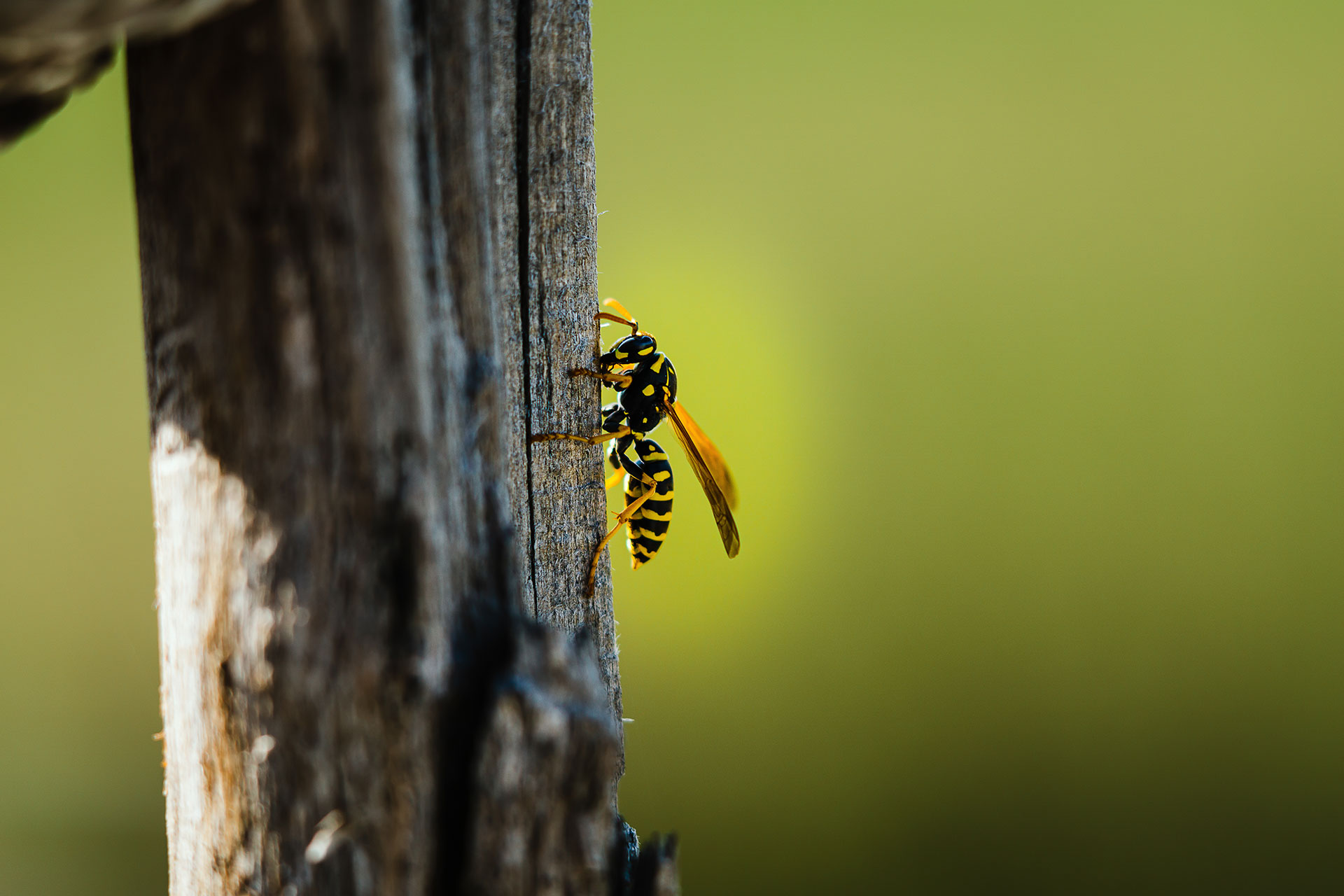
Brighter yellow with a pointed abdomen.
Honey bees
Darker, hairier and rounder.
Bumblebees
Big and round, usually with an orange or white tail.
Related Services
Ant Control
Nest and trail treatments, usually one visit.
View Ant Control →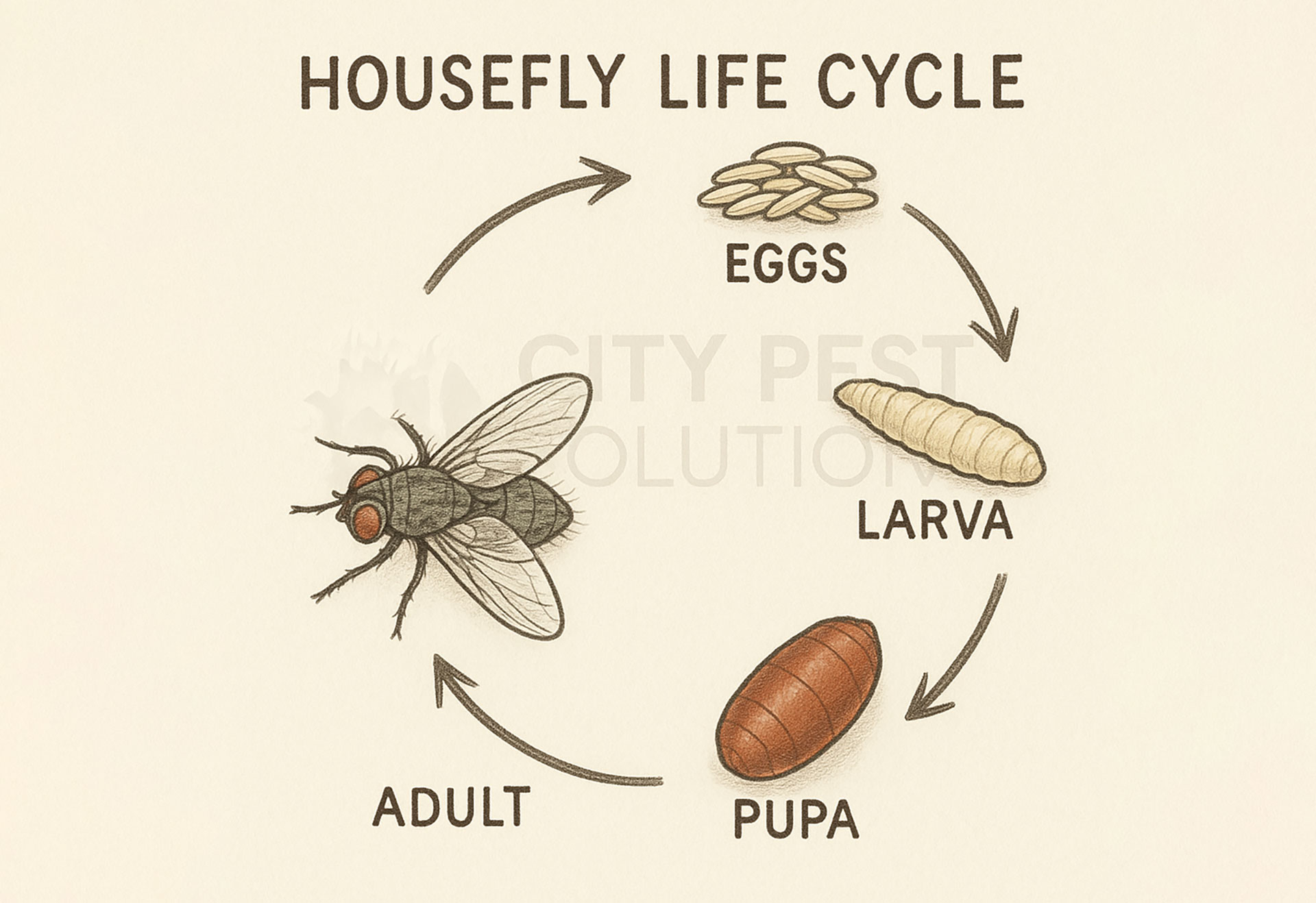
Fly Control
Find the source and stop flies for good.
View Fly Control →Insect Control
All crawling and flying insects treated.
View Insect Control →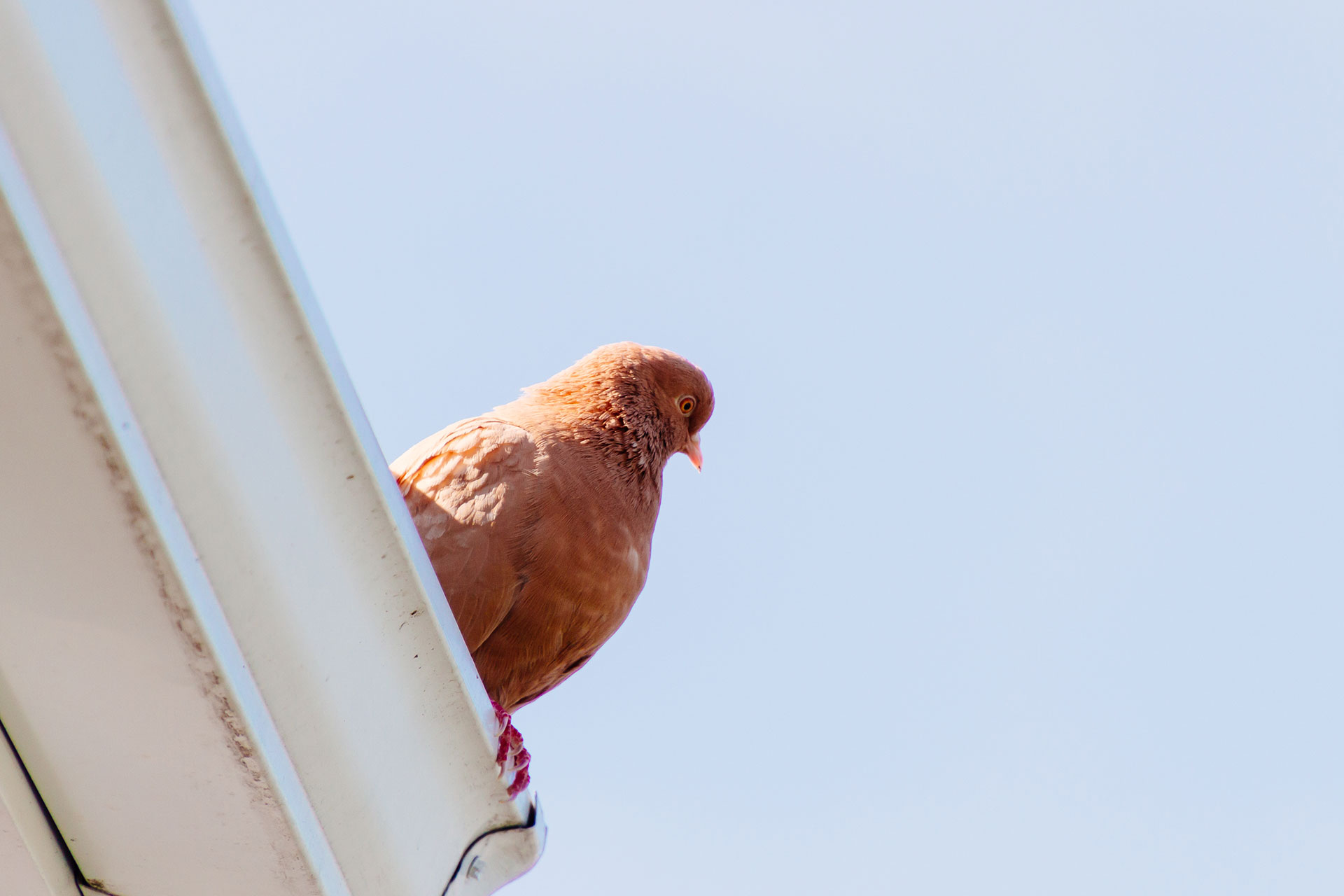
Commercial Bird Control
Spikes, netting and proofing for buildings.
View Bird Control →Pest Control Across Glasgow & Surrounding Areas
We provide pest control in Glasgow and the surrounding areas, including the West End, Paisley and Rutherglen. We are based in East Renfrewshire, so Newton Mearns, Giffnock, Clarkston and Barrhead and Neilston are on our doorstep. See all our pest control services in Glasgow.
How It Works
Six simple steps from your first call to a pest-free property.
- Get in touchCall us or use the form and tell us what you have noticed.
- Receive a quoteMost jobs are priced over the phone, and any change on site is agreed with you first.
- Site surveyA trained technician finds the pest, the source and how far it has spread.
- Safe treatmentEvery job is risk assessed, with materials placed well away from children and pets.
- ProofingSmall gaps are sealed on the visit, and larger repairs are explained clearly.
- Follow-upWe return where needed and tell you at the start how many visits to expect.
Why choose us
Why Choose Us for Wasp Nest Removal
- Experts in wasps: extremely knowledgeable and experienced.
- Fixed price quotes, no hidden charges, and honest about our work and costs.
- Fast response, often the same or next day.
- Specialist equipment to treat nests quickly, safely and effectively, including at height.
- Local, insured and reliable, with a friendly technician in uniform at your door.
Wasp Nest Removal Glasgow: FAQs
Why should I treat a wasps nest?
Stings are painful and can trigger life-threatening allergic reactions, wasps can damage wooden structures, and the nest will keep growing. The queens it produces can also mean more nests next year.
Wasps nest treatments – what’s involved?
Call us for a price and appointment. After a few health and safety questions, just keep clear of the area. Wasps can be agitated for 2–3 hours after treatment, so we recommend keeping several metres away for about 24 hours.
Should I block off the hole the wasps are using?
No! It won’t kill them and makes them harder to treat, as they’ll find other ways in and out. Never try to burn or smoke a nest either.
Is a wasps nest treatment safe for my cat or dog?
Yes, our insecticides are very safe for cats and dogs. Just keep them away from the nest area during and after treatment.
I have bats or a fish pond near the nest. Can you still treat it?
Bats are protected, so a NatureScot surveyor must inspect first, and costs are usually higher. Pesticides can’t legally be used near fish or water, but we can physically remove the nest instead.
Do the council treat wasps nests?
Yes, but they charge for it. Call us for a quote and we’ll explain your options.
How much does it cost to treat a wasps nest?
It depends on your location and the location and number of nests. Call us for a quote.
Is an old wasps nest ever re-used?
Never, although wasps may build a new nest next to an old one. Nests are made of chewed wood, like papier-mâché, and an active one sounds like buzzing, crackling or popping.
I have lots of wasps but no nest?
The nest is probably on a nearby property. A small UV electric fly killer from a hardware shop can help if they’re unbearable.

Bees FAQs
How do I tell if it’s wasps or bees?
Wasps are brighter yellow with a pointed abdomen. Honey bees are darker, hairier and rounder, and bumblebees are big and round, usually with an orange or white tail.
What are the main kinds of bees?
Bumblebees (around 25 species), honey bees and masonry bees. Masonry bees look like wasps but are darker and furrier with a rounded bottom.
I think I have bumblebees. What should I do?
If you can, leave them alone. They’re great pollinators whose numbers have fallen, and they’re very unlikely to be aggressive.
I think I have honey bees. Are they protected?
They’re not protected, but we only recommend treatment as a last resort. Leaving them alone or having a specialist beekeeper remove them is best. Don’t attempt it yourself.
Honey bees are swarming on my property. What should I do?
Don’t panic. Swarming bees are usually calm. Call a local beekeeper, who may remove them for little or nothing, or call us for swarm removal. Often the swarm moves on by itself. Large swarms of hundreds or thousands are almost always bees, not wasps.
Is it wasps or bees that can sting multiple times?
Wasps can sting many times. Honey bees sting only once and then die.
Is it wasps or bees that make honey?
Only honey bees (Apis mellifera) make honey. Wasps do not.